******PRESS RELEASE******
For Immediate Release
Autistic Superhero FairPlay is the “Heart” of DC Comics’ Fresh New Teen Titans Series
“His autism is an important part of that experience, but it’s only one part of who he is,” says Teen Titans superstar artist Daniele Di Nicuolo in his exclusive interview with The Autism Scene. “To me, Jeffrey is really the heart of the group.”
Los Angeles, CA – September 1, 2026
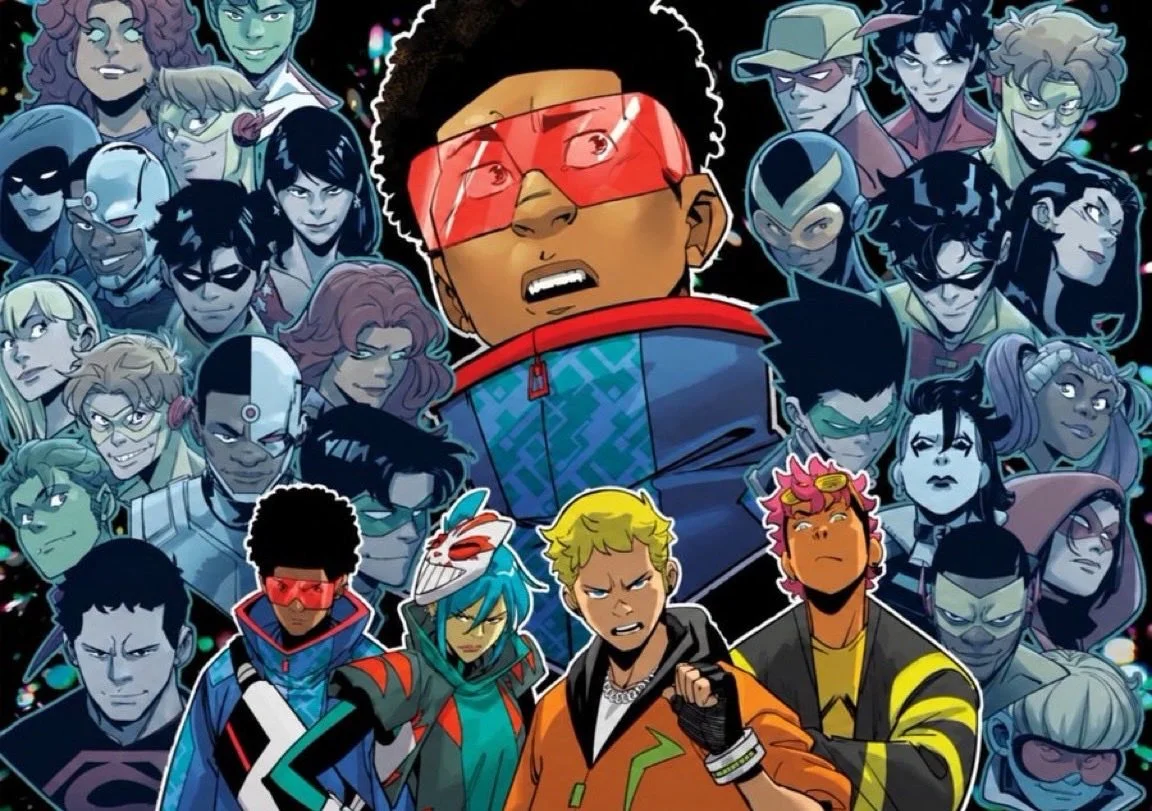
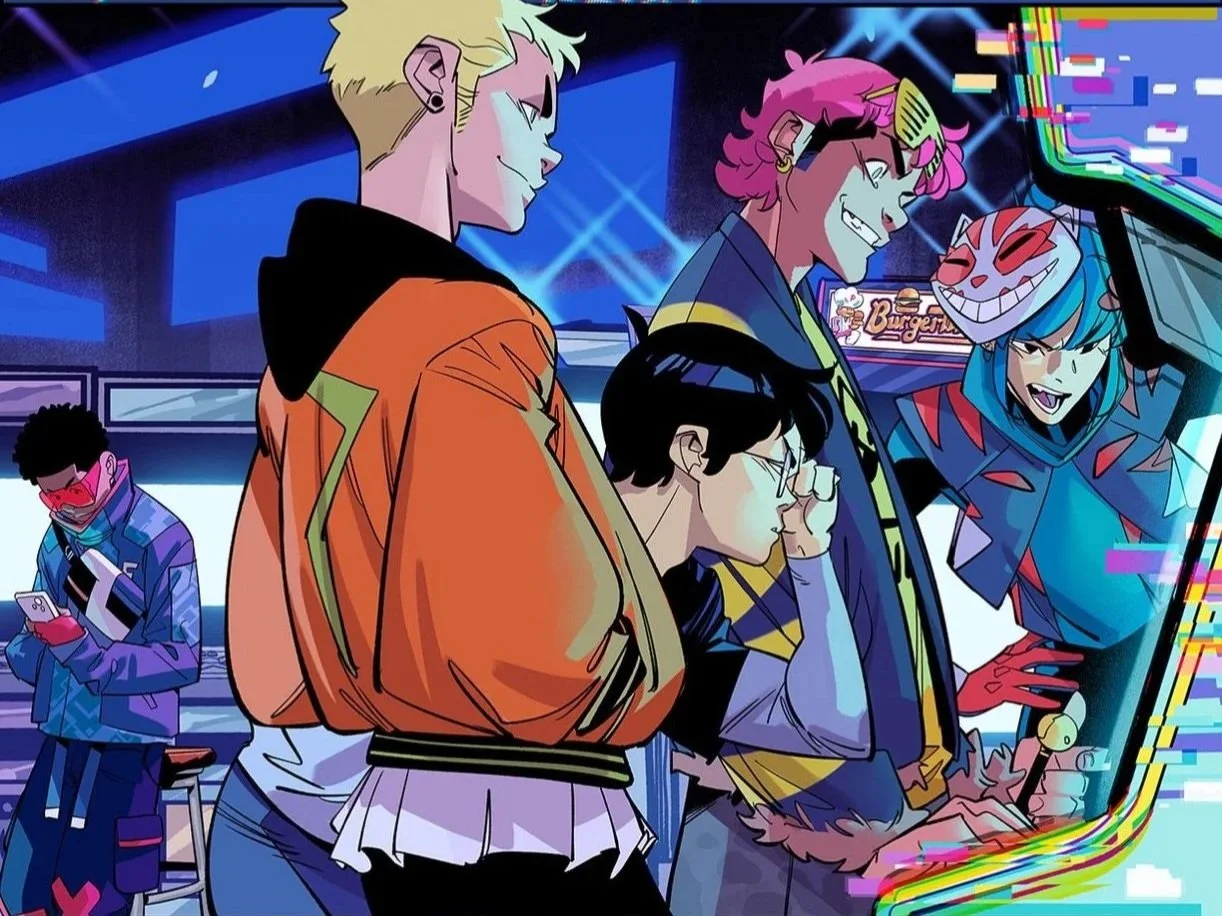
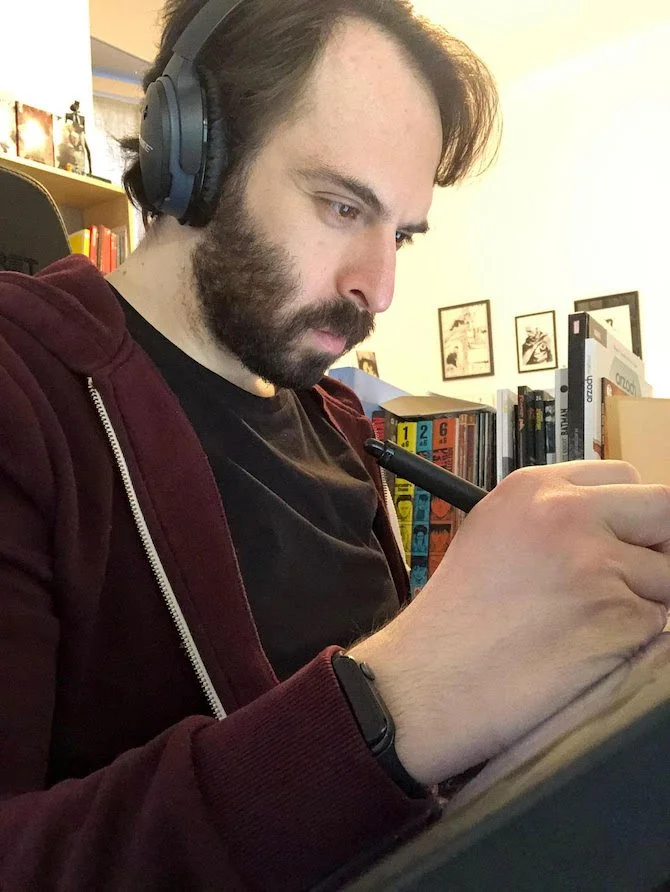
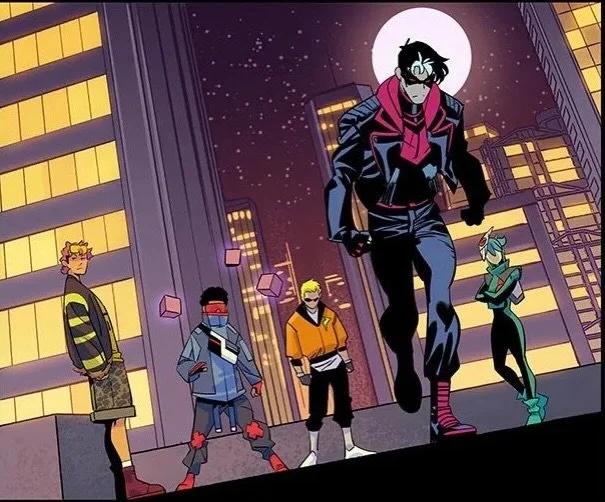
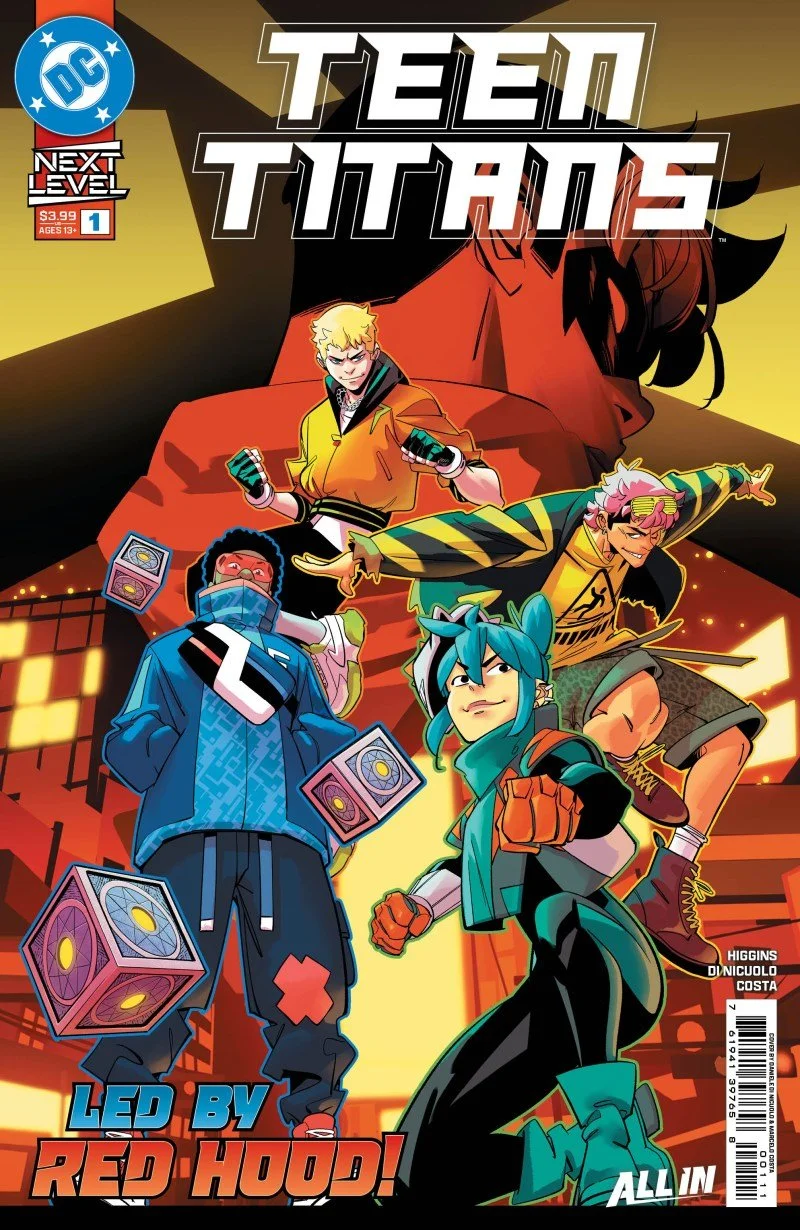
September 2, 2026 marks a big day for the Teen Titans, when their flagship title relaunches with a brand new crew. It’s a team led by a former Robin, but this time it is Jason Todd’s Red Hood in charge! Writer Kyle Higgins assembled several faces new to Teen Titans lore, including one member familiar to the autism community — Jeffrey “JP” Holt, aka Fairplay. He is the genius son of Mr. Terrific, kidnapped by Granny Goodness as a baby, and finally freed to join the DC Universe as it’s first explicitly autistic superhero. Fairplay is sporting a brand new look designed by superstar artist Daniele Di Niculolo, and The Autism Scene was lucky enough to interview him all about “JP” and how he fits in with these new Teen Titans.
TAS: Did you and writer Kyle Higgins talk about PJ Holt’s particular expression of his autism?
DDN: Kyle and I have talked quite a lot about something that will specifically involve PJ further down the line, as well as about his ideas for conveying the way FairPlay experiences and sees the world.
So far, Kyle has been really great at communicating Jeffrey’s emotional state whenever he’s on the page, especially when he’s going through a particular emotion or state of mind that’s important to highlight. I think that’s something we’ve been very much on the same page about.
There’s also something we’ve discussed that will become more important for PJ in the future, but I don’t want to say too much about that because I’d rather avoid spoiling what’s coming.
TAS: From the promotional art, FairPlay seems to have a different body language than the other Teen Titans. How did you come up with his particular body language for the series?
DDN: When I was designing the characters, I wanted each of them to have their own specific body language and characterization, because I think it’s important that you can understand who a character is even when they’re not saying anything.
With Jeffrey in particular, I think the thing that defines him the most is his shyness, combined with this incredibly strong desire to connect with people, to find people who will accept him for who he is and love him for it—to find a family. Not because he doesn’t have one, but because his father, Mister Terrific, is such a huge and charismatic personality within the DC Universe, and I’m sure Jeffrey feels the weight of that.
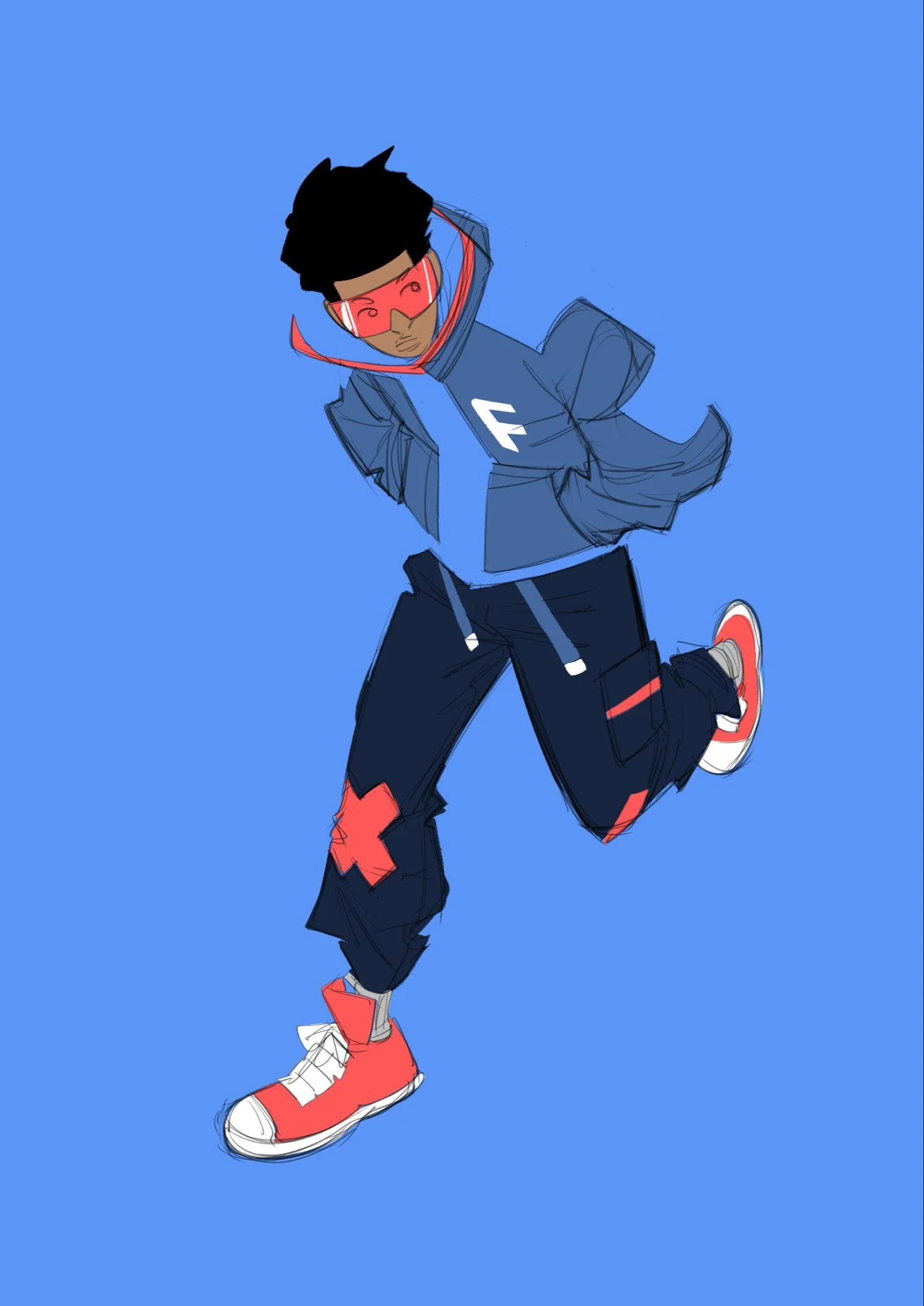
I tried to reflect that in his design and body language. He has this kind of armor he’s built around himself: the jacket with the really high collar that he can almost hide behind, and the glasses, which are obviously a little homage to his father. Two of the visual inspirations for Jeffrey were also Shino Aburame from Naruto and Crypto from Apex Legends, both of whom have this very distinctive way of partially hiding themselves behind their clothing and accessories.
I also think that this way of looking at the world is connected, at least in part, to his childhood. Jeffrey was essentially raised like a soldier on a hostile planet, so from a very young age he had to find a way to make sense of his surroundings and understand what was happening around him. Looking for patterns, finding connections, and creating systems may have become a way for him to give some order to a world that otherwise feels incredibly chaotic.
So I imagine that when Jeffrey looks at the world, he doesn’t necessarily see it in quite the same way the other Titans do. He might notice connections, repetitions, inconsistencies, and patterns that other people simply overlook. And I think that can be both a strength and, sometimes, a challenge for him.
TAS: FairPlay has a new and somewhat nontraditional superhero costume in Teen Titans. It’s a great new look and is drawing a lot of positive attention. How did you come up with that specific design for PJ? Did his particular expression of autism inform that look?
DDN: I think I’ve already touched on a lot of this in my previous answer, especially when talking about his high collar, glasses, and the idea of the clothes almost becoming a kind of armor for him.
As for whether his autism specifically informed the costume, I’d say it was more about understanding Jeffrey as a whole person. His autism is naturally part of who he is, and that understanding informed the way I approached him, but I wanted the design to reflect his personality, his background, and the way he relates to the world as a whole.
TAS: What was your relationship to autism (like friends or family, or just TV and culture) before getting the Teen Titans assignment, and in what ways did working on FairPlay expand that relationship for you?
DDN: I have a few friends who are on the spectrum, and I’ve also met many autistic people throughout my life. I think that, especially in the last few years, there’s been a huge increase in awareness around autism, and I feel like that has helped bring a lot more attention to the subject while also moving us away from many of the stereotypes and clichés that used to surround it.
That’s obviously just my personal perspective, but I think that as autism has become something we can talk about more openly, there’s also been less social stigma around it. And, most importantly, I think it has allowed autistic people to feel more seen and recognized, and to understand that there’s nothing inherently wrong with them for experiencing the world differently.
Working on FairPlay has definitely made me more conscious of how important it is to have the right language and the right tools to talk about autism without reducing autistic people to their condition. I think that’s something society needs to keep progressing on, and something I’ve become much more aware of through working on Jeffrey.
TAS: What new challenges are you looking forward to in drawing PJ as the series moves forward?
DDN: Rather than thinking of it as a challenge, I’m really looking forward to seeing how PJ’s journey continues as he grows alongside the rest of the gang. He’s going to be surrounded by personalities that are very different from his own, and I’m really curious to see how those relationships will shape him.
I’m especially excited to see what kind of superhero Jeffrey will eventually become. He’s still figuring out who he is, and I think watching him grow into that role is going to be one of the most rewarding parts of drawing him.
TAS: What features should be in the FairPlay action figure?
DDN: I’d love to see him as a fixed-pose action figure, without joints, in his classic pose with his hands in his pockets while jumping on his Mother Boxes. He’d have that confident look, almost like he’s completely in control, ready for action. I think that would capture Jeffrey’s attitude really well.
The Autism Scene is a nonprofit organization that advocates publicly and privately for the inclusion of more explicitly autistic characters in kids pop culture.
Contact: Britton Payne, Brit@TheAutismScene.org,
But behind all of that, there’s this enormous heart.
To me, Jeffrey is really the heart of the group. And what I find beautiful about him is that, paradoxically, he doesn’t seem particularly afraid or ashamed of the emotions he feels. He has this incredible courage when it comes to expressing them, and I really love that about him.
TAS: Occasionally, we get to see the worlds in our comics from the perspective of a particular character. How would the world look different to PJ than it would to the other characters?
DDN: I think Jeffrey tends to see the world through patterns and systems. I think that’s part of what explains both his incredible talent and his passion for technology. For him, finding patterns might be one of the safest ways to process all the information coming at him, especially when you consider that he’s living in a reality as chaotic and constantly in crisis as the DC Universe.
The Autism Scene: In what ways did autism enter your artistic process for designing and drawing FairPlay?
Daniele Di Nicuolo: The first thing I did was try to learn as much as I could about the different experiences of autistic people, because I wanted to understand FairPlay as well as possible. PJ is basically a genius, but he also has a very particular, introverted personality. And then there’s everything he’s been through: he comes from a pretty troubled past, and he has only recently found himself in a world that is completely different from the one he grew up in.
So, for me, a big part of understanding PJ was trying to imagine how he would experience this new world through his own personal lens. He’s still a teenager, after all, and he’s discovering so many things for the first time, while also dealing with all the difficulties and insecurities that come with being a teenager. His autism is an important part of that experience, but it’s only one part of who he is. I wanted to understand how all these different things could come together and shape the way he sees and interacts with the world.